Pack Smart, Smoke Better: The Serious Enthusiast's Guide to Traveling With Your Tobacco Collection
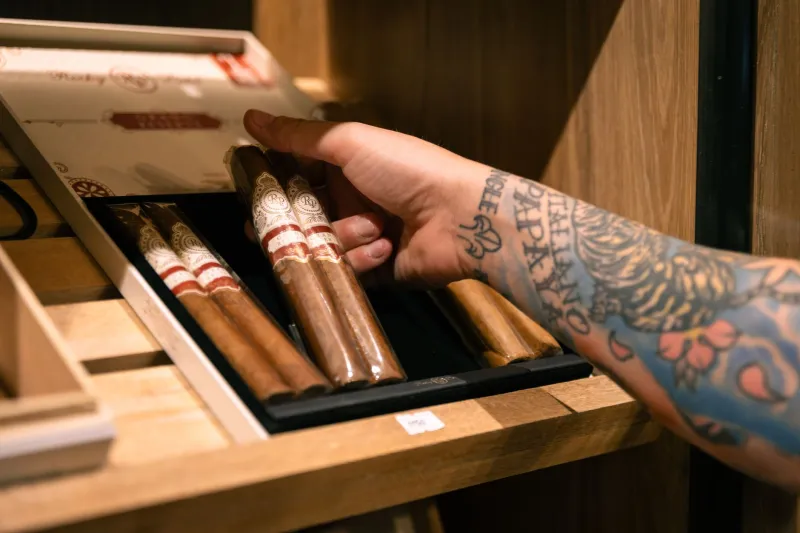
There's a particular kind of heartbreak that hits when you crack open a travel humidor at your destination and find your carefully curated cigars looking like they spent the trip in a dryer. Or you unzip a bag and discover your pipe tobacco has gone bone-dry somewhere over the Rockies. If you've been there, you already know: traveling with premium tobacco is its own discipline. Get it right, and you smoke just as well on the road as you do at home. Get it lazy about it, and you're basically lighting money on fire.
Here's how to do it right.
Know What You're Actually Dealing With Before You Pack
Tobacco is a living material — or at least it behaves like one. It responds to heat, cold, humidity swings, and pressure changes. What keeps it stable at home (a well-seasoned humidor, consistent room temps, limited light exposure) basically disappears the moment you throw it in a bag and head for the airport. So the first step isn't buying gear — it's understanding what conditions you're about to put your collection through.
A road trip through the Southwest in August means dry heat and potential temperature spikes inside a parked car. A flight from Chicago to Miami means pressurized cabin air that's notoriously arid, plus altitude-related pressure differentials that can mess with sealed containers. International travel adds customs regulations into the mix. Each scenario demands a slightly different approach, but the core principles stay the same: control humidity, manage temperature, and protect against physical damage.
The Right Cases Make All the Difference
For cigars, a quality travel humidor is non-negotiable. Not a flimsy cedar-lined box with a foam insert — an actual travel humidor with a tight seal, a reliable humidification system, and enough structural integrity to survive being tossed around. Look for cases with crush-resistant exteriors if you're checking bags or packing into a crowded trunk. Hard-shell designs with locking latches are worth the extra investment when your sticks cost what they cost.
For loose pipe tobacco or hand-rolling supplies, airtight tins or resealable pouches work well for short trips, but for anything longer than a weekend, you'll want something with a built-in humidity regulation element. Boveda packs are a traveler's best friend here — they're compact, reliable, and take the guesswork out of maintaining the right moisture level in transit. Tuck a 62% or 65% pack into your case depending on your tobacco's preferences, and you've got a passive humidity system that doesn't need babysitting.
Flying With Tobacco: What You Actually Need to Know
Let's clear the air on TSA rules first, because there's a lot of misinformation floating around. In the US, tobacco products are generally permitted in both carry-on and checked luggage. There's no federal prohibition on flying with cigars, pipe tobacco, or cigarettes domestically. That said, quantity matters — if you're carrying an amount that looks commercial, you may get questions. Keep it reasonable and you'll be fine in most cases.
Lighters are where it gets more specific. One lighter is allowed in your carry-on (in your pocket, not in your bag), but torch lighters — the kind most cigar smokers prefer — are prohibited entirely on commercial flights in the US. Matches are allowed in carry-on but not in checked bags. If you're a torch lighter person, plan to either buy one at your destination or ship ahead.
The bigger issue on flights isn't TSA — it's cabin pressure and humidity. Airplane cabins are pressurized to roughly the equivalent of 6,000 to 8,000 feet of altitude, and the humidity level inside is notoriously low, often dropping below 20%. That's brutal for tobacco. Even a well-sealed travel humidor will see some humidity migration over a long flight. Double-check your Boveda packs before you leave, and consider adding a second one for flights over four hours.
Road Trips: The Underrated Challenge
Driving sounds easier than flying, and in some ways it is — no TSA, no cabin pressure, no lighter restrictions. But road trips introduce their own threats, and the biggest one is heat. A car parked in direct sun on a summer afternoon can hit 130°F or more inside. That's not a storage environment — that's a kill shot for premium cigars and aged pipe tobacco alike.
Never leave your tobacco in a parked car during warm weather. Keep it in a cooler bag with ice packs if you're making stops, or bring it inside with you. If you're driving continuously, the air-conditioned cabin is fine, but keep your case out of direct sunlight through the windows. UV exposure degrades wrapper leaves and dries out tobacco faster than most people realize.
For long road trips, a desktop-style humidor in the backseat (kept upright and out of the sun) can actually work better than a travel case — more capacity, better humidity stability, and you're not dealing with airline restrictions.
International Travel: Layer Up Your Research
Taking tobacco across international borders adds a whole other layer of complexity. Most countries allow travelers to bring a personal quantity of tobacco products duty-free, but those limits vary widely. The EU generally allows 200 cigarettes or 50 cigars or 250 grams of tobacco per adult traveler duty-free. Canada's limits differ. Some countries are far more restrictive.
Beyond customs limits, certain tobacco products face import restrictions in specific countries — particularly flavored products or those that don't meet local labeling requirements. Do your homework before you pack, and always declare what you're carrying. Getting caught undeclared is a headache that ruins a trip a lot more thoroughly than leaving a few sticks at home.
The Gear That Actually Earns Its Place in Your Bag
Here's a quick rundown of what belongs in any serious traveler's tobacco kit:
- A hard-shell travel humidor with a reliable seal — size it to what you'll realistically smoke, not your whole collection
- Boveda humidity packs in your preferred RH range — pack extras
- A quality travel cutter — guillotine styles pack better than scissors-style cutters
- Matches or a single-flame lighter (torch lighters stay home when you're flying)
- Airtight tins or resealable pouches for pipe tobacco and loose leaf
- A small digital hygrometer if you're traveling somewhere with dramatically different climate conditions than home
The Bottom Line
Traveling with premium tobacco doesn't have to mean compromising the quality you've worked to build at home. It just means thinking a few steps ahead — understanding the conditions your collection will face, packing gear that actively protects against those conditions, and staying informed about the rules wherever you're headed.
The enthusiasts who do this well treat their travel kit like part of the hobby itself. It's not just logistics — it's part of taking your passion seriously. And honestly, there's something pretty satisfying about arriving somewhere new, opening a well-packed travel humidor, and lighting up exactly the smoke you wanted, in exactly the condition you expected it to be in.
That's the goal. Pack for it.