Pipe, Cigar, or Hand-Roll: A Real-World Flavor Showdown for Serious Tobacco Fans
Ask ten experienced smokers which method delivers the best flavor, and you'll probably get ten different answers — each delivered with total confidence. That's part of what makes this hobby so endlessly interesting. The truth is, pipes, cigars, and hand-rolled cigarettes aren't just different formats. They're fundamentally different experiences, shaped by combustion chemistry, airflow dynamics, moisture content, and the way tobacco interacts with your palate over time.
So instead of crowning a winner, let's actually dig into what's happening with each method — and let you decide which one fits the kind of smoker you're becoming.
The Pipe: Slow, Deliberate, and Surprisingly Nuanced
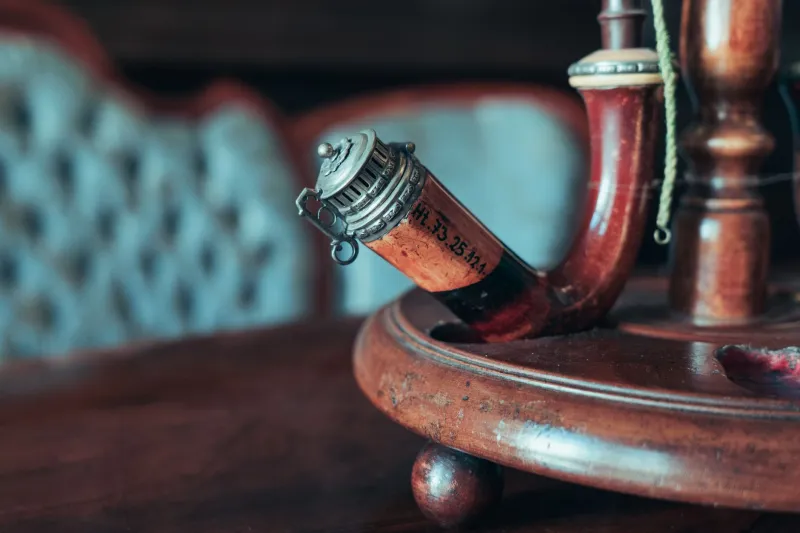
If flavor complexity is your priority, the pipe is hard to beat. Here's why: a well-packed pipe forces you to slow down. The tobacco sits in a bowl, burning at a relatively low temperature when managed correctly, and that slower combustion preserves volatile aromatic compounds that would otherwise burn off too quickly in a faster smoke.
Pipe tobacco also comes in a staggering range of cuts and blends — ribbons, flakes, ropes, plugs — each behaving differently in the bowl. A Virginia flake, for instance, burns slowly and delivers a grassy, slightly sweet profile that evolves from the first light to the final third of the bowl in ways that feel almost like a progression of courses at a good meal.
Airflow is everything with a pipe. Too tight a pack and you're fighting every draw. Too loose and the tobacco burns hot and harsh. That sweet spot — where the smoke rolls through cool and even — is where the real flavor lives. Experienced pipe smokers often talk about "retrohaling," the practice of exhaling a small amount of smoke back through the nasal passage, as one of the best ways to unlock a blend's full aromatic character. It sounds intense, but when done gently, it's genuinely revelatory.
The downside? Pipes demand patience and technique. There's a real learning curve, and a bad smoke on a poorly broken-in briar can taste harsh and bitter. But once you've got it dialed in, few methods rival the pipe for sheer depth of flavor.
The Cigar: Full-Body, Front-to-Back Complexity
Cigars operate on a completely different set of principles. You're smoking whole-leaf tobacco — wrapper, binder, and filler — each contributing distinct flavor characteristics that interact throughout the smoke. The wrapper, despite being the thinnest layer, is often the most flavorful, delivering oils and aromatics directly to your lips and palate with every draw.
Burn rate and construction quality matter enormously here. A well-rolled cigar from a reputable blender burns evenly, maintaining a consistent temperature that allows the blend's intended flavor profile to unfold as designed. The first third tends to be cooler and crisper; the middle third is where most blenders say the cigar hits its stride; the final third, as the tobacco concentrates, delivers the most intense body and strength.
Nicotine delivery with cigars tends to be more pronounced than with pipes, largely because you're smoking larger quantities of tobacco with higher nicotine concentrations in many premium blends. That full-body experience — the buzz, the weight, the complexity — is a big part of why cigar culture has its own devoted following in the US, from corner lounges in Miami to backyard smoke sessions in the Midwest.
Cigars also reward attention to humidity. A properly humidified cigar (around 65–70% relative humidity for most premiums) smokes completely differently than one that's dried out. Dry tobacco burns hot and fast, obliterating subtlety. A well-maintained cigar unfolds slowly, giving your palate time to register every layer.
The Hand-Roll: Underrated, Customizable, and Closer Than You Think
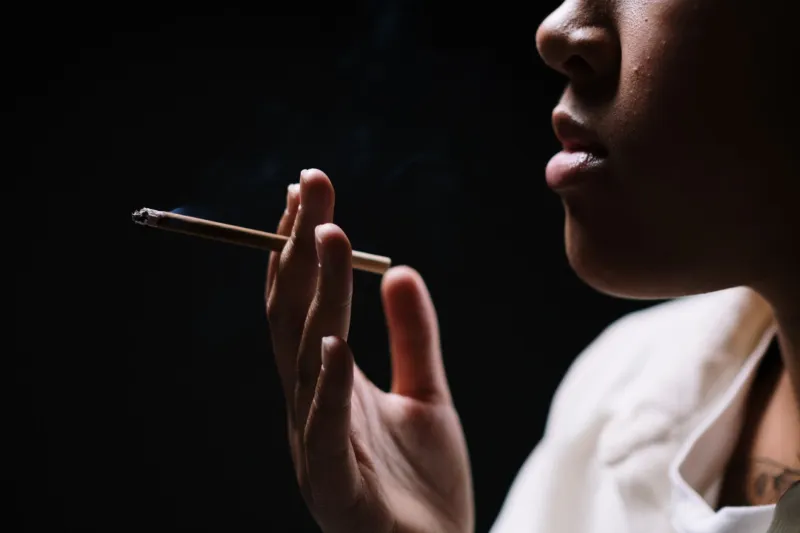
Hand-rolled cigarettes — whether you're rolling your own from loose-cut tobacco or using pre-made tubes with a quality injector — tend to get underestimated in flavor conversations. That's a mistake.
The major variable here is tobacco selection. Rolling tobacco comes in a wide range of cuts and blends, and choosing a quality loose-leaf over a budget pouch makes an enormous difference. Virginia-heavy blends offer brightness; burley adds a nutty, earthy depth; Oriental tobaccos bring in that slightly spicy, aromatic quality that makes some hand-rolls genuinely distinctive.
Because hand-rolls burn faster and at higher temperatures than pipes or cigars, the flavor profile tends to be more immediate and less layered. You're not going to get the extended arc of a 90-minute robusto. But what you lose in longevity, you can gain in immediacy — that first few draws on a well-rolled cigarette using quality tobacco can be genuinely satisfying in a way that's different from, not lesser than, the other formats.
The rolling technique itself also affects the experience. A roll that's too tight restricts airflow and makes drawing difficult. Too loose, and the burn is uneven and harsh. Getting your roll consistent takes practice, but it's a skill that pays off quickly once you start using quality tobacco.
So Which Method Actually Wins on Flavor?
Here's the honest answer: it depends on what you mean by "better."
If you're chasing complexity and evolution — flavors that shift and develop over a long, meditative smoke — the pipe is probably your best bet, assuming you're willing to invest time in technique.
If you want full-body richness and a structured flavor journey built by master blenders using whole-leaf tobacco, the cigar is hard to argue against. The sheer range of premium cigars available to American enthusiasts right now is remarkable.
If you value immediacy, customization, and the satisfaction of a craft you control from start to finish, the hand-roll deserves a lot more credit than it typically gets.
The smartest move? Don't pick just one. Each format illuminates something different about tobacco, and rotating between them — even occasionally — gives you a broader vocabulary for what you actually enjoy. A Friday evening pipe with a slow-burning flake is a different kind of pleasure than a Saturday afternoon with a well-humidified maduro, which is different again from a hand-rolled smoke with a quality Virginia ribbon on a weekday morning.
At High 5, we stock all three worlds because we know our customers aren't one-dimensional. Neither is great tobacco.