Heat Is Everything: The Overlooked Science Behind a Truly Great Smoke
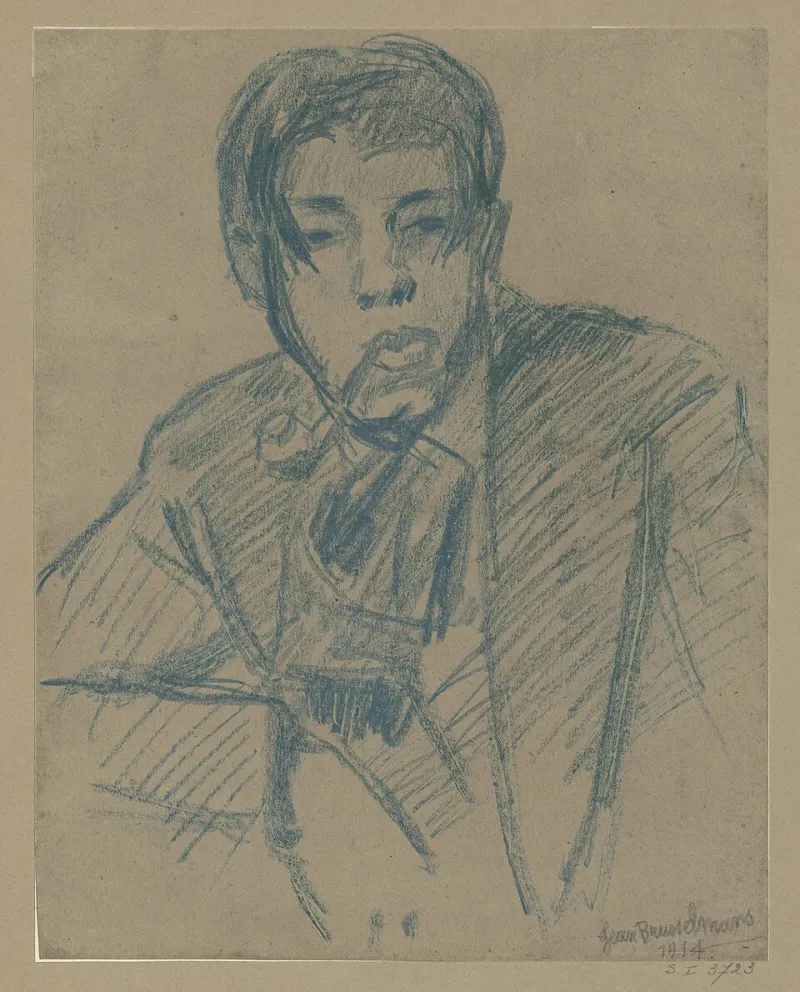
Photo: Unknown, Public domain, via Wikimedia Commons
Ask most tobacco enthusiasts what makes a premium smoke, and they'll talk your ear off about wrapper leaf origin, fermentation time, or humidity levels in the humidor. All of that matters — genuinely. But there's a variable that doesn't get nearly the attention it deserves, and it's one you're actively controlling every single time you light up: temperature.
Heat management isn't glamorous. It doesn't come with a great origin story or a fancy terroir. But once you understand what's actually happening inside your pipe bowl or at the foot of your cigar, you start to realize that temperature might be the single biggest lever you can pull to change your experience — and it costs you almost nothing to get right.
What Heat Actually Does to Tobacco
Tobacco combustion isn't a simple on/off event. It's a cascading series of chemical reactions that happen across a pretty narrow temperature range, and each zone produces wildly different results.
At lower temperatures — roughly in the 300–400°F range — you're getting the most nuanced flavor output. The volatile aromatic compounds responsible for sweetness, earthiness, and floral notes vaporize and reach your palate relatively intact. Push that temperature higher, into the 700°F-plus zone that happens with an aggressive draw or a relighting gone wrong, and you're essentially scorching those compounds before they have a chance to do anything interesting. What you get instead is harshness, bitterness, and that unpleasant "hot smoke" sensation that makes even a great tobacco taste cheap.
There's also the matter of moisture. When tobacco burns too hot, it dries out quickly and unevenly, which changes the draw resistance and can cause tunneling in cigars or a clogged pipe bowl. Keeping heat steady and controlled keeps the moisture content more consistent throughout the smoke — and that consistency is what lets you actually taste what the blender put into that tobacco.
The Pipe Smoker's Dilemma
For pipe smokers, temperature control is almost a philosophical practice. The classic advice — "smoke slowly" — is really just a temperature management strategy dressed up in simpler language. Every puff draws fresh oxygen to the ember, raising its temperature. The faster you puff, the hotter things get, and the faster you lose the nuanced flavor window.
Pipe veterans often talk about the "one-match light" or the "cool smoke" as hallmarks of a refined technique, and they're not wrong. But beyond pacing yourself, there are real tools that help.
Pipe filters are one of the most underrated accessories in the game. Balsa wood filters and meerschaum filters both absorb moisture and moderate temperature as smoke passes through them, smoothing out the experience considerably. Activated charcoal filters go further, pulling out some of the harsher compounds that form at higher combustion temperatures. If you've never tried a filtered pipe, it's worth experimenting — many enthusiasts who swore off filters come back to them when they understand what they're actually doing.
Tampers play a role too. Keeping a consistent pack density throughout a bowl means the ember burns more evenly, which prevents the hot spots that spike temperature and ruin a smoke.
Cigars and the Gentle Puff
Cigar smokers face a slightly different challenge. A well-constructed cigar is essentially a self-regulating combustion system — but only if you let it work the way it's supposed to.
The ideal draw on a cigar should feel like sipping through a slightly resistant straw. Too easy, and you're pulling too much air, superheating the burn zone. Too tight, and you're forcing the issue, which causes uneven burning and encourages you to compensate with harder puffs. Getting the draw right starts before you even light up — a proper cut with a quality guillotine or punch cutter makes a real difference.
Once you're lit, pacing is everything. One puff every 60 to 90 seconds is a common recommendation among serious enthusiasts, and it's rooted in real chemistry. That interval gives the burn zone time to cool slightly between draws, keeping you in that ideal temperature range where flavor compounds survive long enough to be tasted.
If you notice the wrapper getting uncomfortably warm to the touch near the head, that's your body telling you something your palate might not have registered yet — you're running hot. Set it down. Let it rest. The smoke will thank you.
Tools Worth Having
You don't need to spend a fortune to get temperature management right, but a few smart purchases make a noticeable difference.
- A quality butane lighter or cedar spill for lighting cigars gives you more control over the initial flame than a gas station lighter ever will. Soft-flame butane keeps the initial heat lower and more focused.
- Pipe filters in balsa or charcoal are cheap, effective, and widely available.
- A proper tamper with a pick lets you manage pack density and clear airflow without overcompensating with your draw.
- A slow-smoking timer or simple mindfulness — seriously, even setting a timer between puffs sounds goofy until you taste the difference.
Why This Changes the Game
Here's the thing about temperature control: it's one of those skills that rewards you immediately. You don't have to wait for a tobacco to age, you don't have to invest in a climate-controlled humidor, and you don't have to spend big on a different blend. You just have to slow down and pay attention.
The best tobaccos in the world are designed to express something — a flavor profile, a complexity, a character that the blender worked hard to create. Temperature is what determines whether you actually taste any of that. Smoke too hot, and you're just burning leaf. Smoke at the right temperature, and you're having a conversation with the tobacco.
That's the whole game, honestly. And once you feel the difference, you won't go back.