Your Palate vs. Your Ego: The Truth About Blind Tobacco Tastings
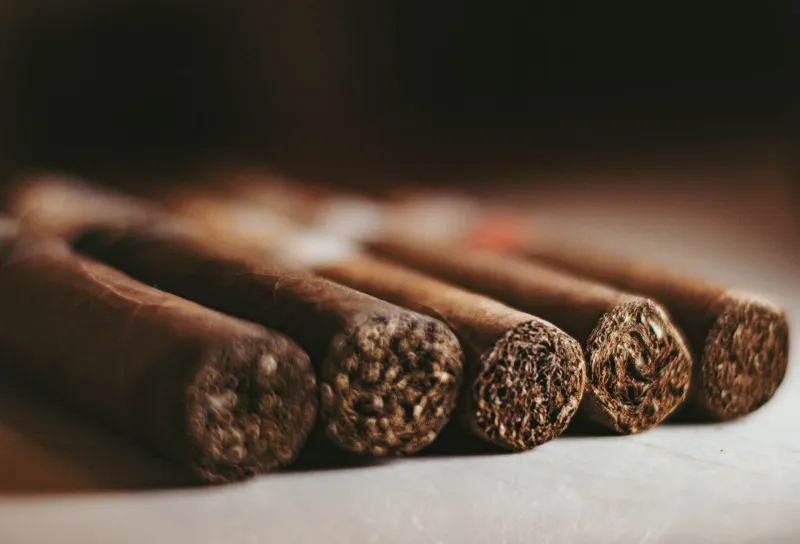
There's a moment in every serious tobacco enthusiast's life when someone hands them something wrapped in plain paper with zero context, and they have to call it. No band. No origin story. No price tag to anchor expectations. Just the smoke itself.
It's humbling. Sometimes embarrassingly so.
Blind tastings have been a fixture in the wine world for decades — most famously the 1976 Paris tasting where California wines beat French legends in front of French judges. Tobacco has its own quieter version of this reckoning happening right now, and the results are raising some genuinely uncomfortable questions about what we think we know about premium blends versus everything else.
What Your Brain Is Actually Doing When You Light Up
Here's something worth sitting with: a significant portion of what you experience when you smoke a high-end cigar or a boutique pipe blend isn't coming from the tobacco alone. It's coming from everything surrounding it.
Psychologists call it expectation bias — the brain's tendency to experience what it anticipates rather than what's actually there. When you pay $25 for a single cigar, unwrap it slowly, admire the wrapper, and light it with a cedar spill while your favorite playlist runs in the background, you are priming your nervous system for a premium experience before the first puff ever hits your palate.
Strip all of that away, and the same cigar smoked blindly out of an unmarked cellophane sleeve might land as merely pretty good.
This isn't a knock on enthusiasm. It's just how human perception works. The ritual, the packaging, the reputation — they're not fraudulent additions to the experience. They're part of it. The question is how much of the flavor is real versus constructed.
What Actually Happens in Tobacco Blind Tastings
Informal blind tastings among tobacco clubs and enthusiast groups have been running quietly for years, mostly through online forums and local shop events. The patterns that emerge are consistent enough to be instructive.
First finding: experienced smokers are much better than beginners at identifying broad flavor families — earthy versus sweet, full-bodied versus mild, Connecticut wrapper versus Maduro. The fundamentals are real, and trained palates do pick up on them.
Second finding: the ability to accurately rank blends by price falls apart pretty quickly once you get above a certain baseline quality threshold. Smokers who confidently identify a $40 cigar as clearly superior to a $15 one are often working with less accuracy than they'd expect. The correlation between price and perceived quality, absent branding information, is weaker than most people assume.
Third finding — and this one stings a little — mid-range blends from reputable manufacturers frequently score as well or better than boutique or prestige offerings when names are removed from the equation. Not always. Not even most of the time. But often enough to matter.
The Real Markers of Genuine Quality
None of this means premium tobacco is a scam. Far from it. But it does invite a sharper look at what actually separates a genuinely exceptional blend from a well-marketed average one.
Construction consistency is a big one. A premium cigar should draw evenly, burn with a clean ash, and not require constant relighting. These aren't glamorous qualities, but they're the difference between a smoke you can actually enjoy and one you're fighting. In a blind tasting, consistent construction reveals itself fast.
Aging and fermentation depth is another genuine differentiator. Tobaccos that have been properly aged and fermented carry a complexity that doesn't come from shortcuts. There's a smoothness and a layered quality — flavors that evolve across the length of the smoke rather than front-loading and fading — that reflects real craft and time investment. Your palate can learn to identify this even without a label.
Wrapper quality matters more than many people realize. The leaf on the outside of a cigar contributes somewhere between 60 and 80 percent of its flavor profile. Premium wrapper leaves are expensive because they're genuinely harder to grow and process correctly. That cost shows up in the taste if you're paying attention.
Blend balance is subtler but real. The best blends have a coherence to them — flavors that support each other and develop together rather than competing or dropping off mid-smoke. This is what master blenders are actually being paid for, and it's detectable in a blind setting if you know what you're looking for.
How to Run Your Own Honest Test
If you want to actually put your palate through its paces, here's how to do it without making it a whole production.
Grab three or four cigars or pipe tobacco samples at different price points — ideally from the same general flavor family so you're comparing apples to apples. Have a friend remove all identifying labels and assign numbers. Smoke them over separate sessions, ideally at the same time of day with the same palate conditions (don't do one after a cup of coffee and another after a meal).
Take genuine notes. Not what you think you should be tasting, but what you actually notice. Write down construction, burn quality, flavor evolution, finish. Then compare your rankings to the actual prices.
The results will probably surprise you. That's the whole point.
What This Changes — and What It Doesn't
Here's the honest takeaway: blind tastings don't invalidate the premium market. What they do is sharpen your ability to spend your money where it actually matters to you specifically.
Maybe you genuinely taste the difference and the higher-end stuff wins every time. Great — now you know that with real confidence rather than assumption. Maybe you find that a mid-range blend from a solid manufacturer hits your palate just as well as something twice the price. That's also valuable information.
What you lose is the ability to smoke on autopilot, letting price and reputation do all your thinking for you. What you gain is an actual relationship with your own preferences — which is what being a genuine tobacco enthusiast is supposed to be about in the first place.
Your palate is worth trusting. But it works better when you've actually tested it.