Tasting Notes for Tobacco: How the New Wave of Blenders Is Making Smoke as Complex as Wine
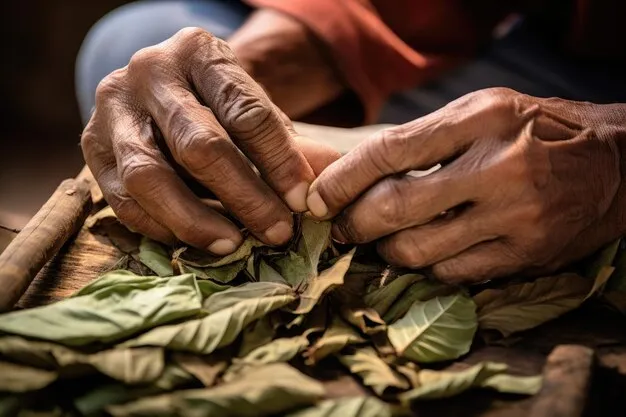
Photo: tobacco blending craft artisan leaf varieties close up, via img.freepik.com
Not too long ago, talking about tobacco flavor meant picking between "mild" and "full-bodied" and leaving it at that. Today, that conversation sounds almost quaint. The premium tobacco world has undergone a quiet but real transformation, one where blenders talk about stone fruit top notes, earthy mid-palate transitions, and long, sweet finishes the way a sommelier might describe a Burgundy. If you haven't caught up with that shift yet, you're missing out on some genuinely exciting stuff.
What "Flavor Profile" Actually Means in a Tobacco Context
Before we get into the craft, it helps to understand what you're actually experiencing when you smoke. Tobacco flavor isn't just one thing — it's a layered combination of the leaf variety itself, where it was grown, how it was cured, and what happened to it during fermentation and aging. On top of all that, blenders can introduce what's called a "top dressing" or casing: natural additives like honey, vanilla, rum, or fruit extracts that influence the first impression of a blend.
The result is something closer to a recipe than a raw ingredient. A master blender isn't just choosing tobacco types and mixing them together — they're managing the interaction between those components at every stage of development. The Burley in a blend, for example, brings a natural nuttiness and absorbs moisture well. Virginia leaf tends toward sweetness and ferments in a way that develops sugary, almost citrusy notes over time. Oriental and Turkish varieties add spice, complexity, and a certain dryness that keeps everything from getting too rich.
When a blender gets the ratios right, and the fermentation is handled well, the result is a smoke that actually changes as you work through it — cooler at the light, more developed in the middle, and finishing with something that lingers on the palate.
The Craft Movement That's Reshaping the Industry
What's pushing this forward isn't just consumer demand, though that's definitely part of it. It's a generation of independent American blenders who came up loving tobacco the way their peers loved craft beer or single-origin coffee — as something worth understanding deeply.
Small operations out of states like North Carolina, Virginia, and Tennessee have been quietly building reputations through limited releases, direct-to-consumer sales, and word-of-mouth in online pipe and cigar communities. These aren't big-box brands. They're operations run by people who can tell you exactly which farm their leaf came from, how long it was aged in the barn before blending, and what fermentation temperature they targeted for a specific batch.
The parallels to the craft brewing world are hard to ignore. Just as microbreweries forced people to reconsider what beer could taste like, these independent tobacco producers are expanding what enthusiasts expect from a premium product. And just like with craft beer, the learning curve is part of the fun.
Learning to Taste: A Practical Starting Point
Here's the honest truth: developing a palate for tobacco takes time and intentional practice. But there are a few approaches that speed up the process considerably.
Smoke slowly. Most of the flavor development in a quality blend happens at a relaxed pace. Rushing through a bowl or a cigar means you're burning past a lot of the nuance. Let the smoke cool in your mouth before exhaling, and pay attention to what you're actually tasting rather than just experiencing.
Compare side by side. If you want to understand what Virginia sweetness actually means, smoke a straight Virginia blend next to a Burley-forward one within the same week. The contrast teaches you more than any written description ever could.
Use the language. Flavor categories like woody, earthy, floral, grassy, nutty, and sweet aren't just pretentious wine-bar vocabulary — they're useful shorthand that helps you identify what you're experiencing. Once you can name something, you can seek it out (or avoid it).
Keep notes. Sounds nerdy, but even a few words jotted down after a smoke builds a reference library in your head. Over time, you'll start recognizing the signature of specific leaf types, specific blenders, and specific aging approaches.
Fermentation: The Underappreciated Variable
If there's one part of the process that doesn't get enough attention from everyday smokers, it's fermentation. Raw tobacco leaf is harsh and chemically complex in ways that make it unpleasant to smoke. Fermentation — essentially a controlled process of heat and moisture that breaks down certain compounds — is what turns raw leaf into something refined.
Different fermentation approaches produce dramatically different results. A slow, cool ferment tends to preserve more of the leaf's natural character. A longer, warmer process drives off more ammonia and develops deeper, richer flavors. Some blenders are now experimenting with secondary fermentation after blending — aging the finished product in wooden casks previously used for bourbon, rum, or wine. The results are exactly as interesting as they sound.
When you pick up a tin of aged Virginia or a limited-release pipe tobacco that's been resting for two or three years, you're tasting the outcome of decisions made long before the product ever hit a shelf. That's craftsmanship, and it's worth paying attention to.
What to Look For at the Shop
When you're browsing premium tobacco, a few things signal quality blending. Look for products that list their leaf components specifically — "Virginia, Burley, and Latakia" tells you something; "premium tobacco blend" tells you nothing. Pay attention to whether the producer mentions aging or fermentation time. And don't overlook small-batch or limited-release offerings, which often represent a blender's most experimental and expressive work.
At High 5, we stock products specifically because they bring something worth tasting to the table. Ask us what's new, what's limited, and what we've been enjoying ourselves — that's what a good smoke shop is for. The flavor profile revolution is real, and the best way to experience it is to start exploring with some intention behind it.