Hit the Road for Tobacco: America's Best Blenderies, Farms, and Factory Stops
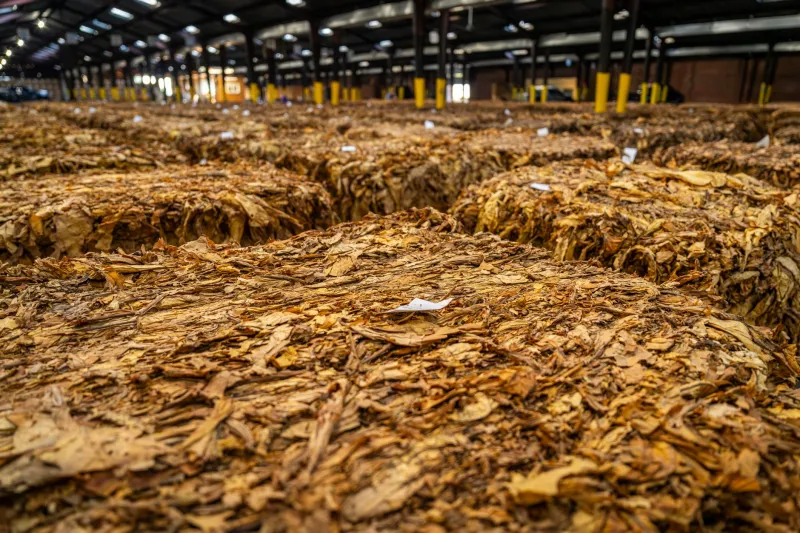
At some point, every serious enthusiast starts wondering where the stuff actually comes from. Not in a vague, abstract way — but genuinely curious about the soil, the hands, the decisions that turned a leaf into something worth savoring. That curiosity is the beginning of a very good road trip.
America has a tobacco heritage that runs deep, and while a lot of the industrial-scale production doesn't make for interesting tourism, the craft end of the market is a different story entirely. Small-batch blenders, heritage farms, and specialty producers are scattered across the country, and more of them are opening their doors to visitors than you might expect.
Here's how to think about building a tobacco-focused travel itinerary that goes well beyond browsing a shop shelf.
The Southeast: Where the Leaf Is in the Ground
North Carolina and Virginia are the spiritual heartland of American tobacco, and both states still have working farms where the crop is grown in ways that haven't changed dramatically in generations. The Piedmont region of North Carolina — particularly around the towns of Oxford and Henderson — has a rich flue-cured tobacco history, and local agricultural tourism has started to catch up with that heritage.
While large commercial operations aren't generally set up for tours, small heritage farms and agricultural co-ops occasionally offer seasonal access, especially during harvest. The key is doing your homework ahead of time: check with local chambers of commerce and agricultural extension offices, and don't be shy about reaching out directly to small growers. A lot of them are proud of what they do and genuinely happy to show it off to someone who actually cares.
Virginia adds another dimension. The Richmond area has a long history with tobacco processing and trade, and the city's American Civil War Museum has significant context around tobacco's role in the regional economy. It's not a tasting room, but it adds real depth to the experience if you're the kind of traveler who likes to understand the full picture.
The Mid-Atlantic and Northeast: Small-Batch Blending Country
As craft tobacco blending has grown as a category, a surprising number of small-batch operations have set up shop in the Northeast. Pennsylvania in particular has a handful of specialty blenders and tobacconists who do some or all of their blending in-house, and a few of them have developed enough of a following that they've started hosting events, open houses, or informal tastings.
New York City deserves a mention not for production but for access. The city has some of the oldest and most storied tobacconists in the country, with deep inventories and staff who genuinely know what they're talking about. A day moving through a few of these shops — asking questions, sampling, talking through what you're looking for — is a legitimate form of tobacco tourism even without a farm or blendery attached.
When planning a Northeast leg, look for pipe and tobacco clubs in the area. Many of them organize visits to local blenders or host blend-along events that are open to guests. These are often the best way to get genuine behind-the-scenes access that you wouldn't find through a simple Google search.
The South and Mid-South: Cigar Country and Tobacco Culture
Florida has established itself as a genuine hub for premium cigar production, with Ybor City in Tampa holding a particularly rich history. The neighborhood's cigar-making heritage dates back to the late 1800s, and while the industrial-scale factories are long gone, the cultural memory is still very much alive. The Ybor City Museum State Park offers solid historical context, and the neighborhood still has active cigar rollers and specialty shops worth visiting.
Tennessee and Kentucky round out this stretch of the map nicely, and not just for bourbon. Both states have agricultural heritage tied to dark-fired tobacco, a variety used in certain pipe blends and smokeless products, and small producers in these regions are worth seeking out if you're specifically interested in that leaf type.
Planning Your Trip: Practical Advice
Tobacco tourism doesn't come with the same infrastructure as wine country or bourbon trail. You're going to need to do more legwork, but that's also part of what makes it rewarding. Here's how to approach it:
Call ahead, always. Small producers and family farms don't have visitor infrastructure built in. Showing up unannounced almost never works. A phone call or email explaining who you are and what you're interested in goes a long way.
Join a pipe or cigar club before you go. The community connections you build through clubs open doors that are invisible to the general public. A fellow member who knows a blender personally is worth more than any travel guide.
Build in flexibility. The best experiences on trips like this tend to be unplanned — the conversation that turns into a tour, the shop that turns out to have an in-house blender willing to talk for an hour. Leave room in your schedule for those moments.
Bring something to trade. Serious tobacco people appreciate reciprocity. Showing up with a tin of something interesting from your home region is a gesture that gets noticed and often rewarded.
Document everything. Keep a travel journal or at minimum take notes on your phone. The details fade fast, and the whole point is to build a deeper understanding of what you're smoking.
Why It's Worth the Drive
The short answer is that tobacco tastes different when you understand where it came from. Not literally different in a chemical sense — but in the way that a meal tastes better when you've met the farmer, or a bottle of wine means more when you've stood in the vineyard. Context is flavor, in a very real way.
America's tobacco heritage is genuinely worth exploring. The people keeping that tradition alive — the small growers, the craft blenders, the old-school tobacconists who've been doing this for decades — have stories worth hearing. All you have to do is show up and ask.