Ghost Notes: How Your Pipe's Past Smokes Are Shaping the One You're Having Right Now
There's a moment every serious pipe smoker knows. You pull out an old favorite — one that's been in rotation for years — load it up with something new, and the smoke hits differently than it ever did from a fresh briar. There's a roundness to it, a depth that a brand-new pipe just doesn't deliver right out of the box. Some people call it seasoning. Some call it character. A few skeptics call it wishful thinking.
We're going to dig into all of it.
What "Seasoning" Actually Means
At its most basic level, seasoning refers to the buildup of carbon, oils, and residue inside a smoking device over time. In a pipe, this shows up most visibly as the cake — that dark, hardened layer that forms on the inside of the bowl. Experienced smokers often treat a well-developed cake the way a cast iron cook treats their favorite skillet: something earned, something protective, something that genuinely changes the end result.
But the cake is only part of the story. The briar itself — the dense, heat-resistant root burl that most quality pipes are carved from — is porous at a microscopic level. Over dozens or hundreds of smokes, it absorbs tars, essential oils from the tobacco leaf, and moisture. That absorption doesn't just disappear. It lingers. It layers. And according to many longtime enthusiasts, it absolutely comes through in the flavor of whatever you load next.
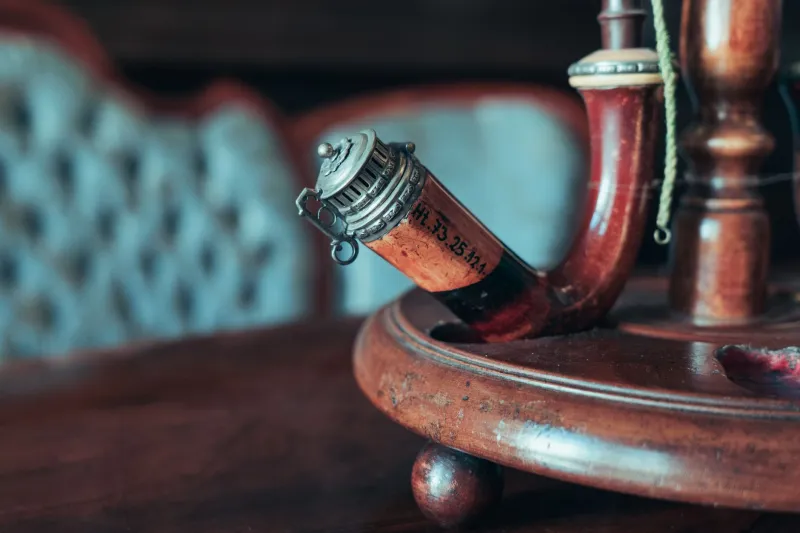
Meerschaum pipes tell this story even more visibly. A fresh meerschaum bowl is bright white. After regular use, it gradually turns amber, then honey, then deep brown — a color change driven entirely by the oils soaking into the mineral. Collectors prize deeply colored meerschaums not just for aesthetics, but because many argue those pipes smoke cooler and deliver a smoother experience than their uncolored counterparts.
Is It Chemistry or Is It in Your Head?
Fair question. Placebo effects are real, and smokers are not immune to them. If you believe your grandfather's old pipe is going to smoke better than a fresh one from the shop, that belief shapes your perception. That's just how human sensory experience works.
But there's also legitimate chemistry happening. Residual oils from previous tobacco blends don't fully combust or evaporate between sessions. They polymerize — essentially baking into the walls of the bowl and the grain of the briar — and they re-volatilize slightly when heat is applied again. In plain terms: past smokes are contributing trace compounds to your current smoke. It's not dramatic, but it's real.
This is also why experienced pipe smokers often dedicate specific pipes to specific tobacco types. An English blend heavy in Latakia — that smoky, campfire-forward leaf — will leave its fingerprints all over a briar. Run a light Virginia flake through that same pipe afterward, and you might catch a ghost of something dark and peaty underneath the sweetness. Some people love that layering. Others find it distracting. Neither reaction is wrong.
What Long-Time Smokers Actually Notice
Talk to anyone who's been in the hobby for a decade or more, and the seasoning conversation comes up fast. A common thread: new pipes require patience. The first several smokes from a fresh bowl are often described as sharp, a little rough, or just "not quite right yet." It takes time — sometimes a dozen bowls, sometimes more — before the smoke starts to mellow and open up.
Many enthusiasts describe the sweet spot as somewhere between well-broken-in and over-saturated. A pipe that's been smoked regularly for a few years, cleaned properly but not stripped bare, tends to deliver a consistency that newer gear just can't match. There's less bite, more evenness, and a kind of harmonic quality to the draw that's hard to put into words but easy to recognize once you've experienced it.
On the flip side, pipes that haven't been maintained — ones with thick, uneven cake buildup, or that have been smoked wet repeatedly — can start working against you. Off-flavors, sourness, and what some smokers describe as a "ghost" that won't quit are all signs that a pipe might need a deep clean, a reaming, or in some cases, retirement.
Rolling Papers and Other Gear: Does Seasoning Apply?
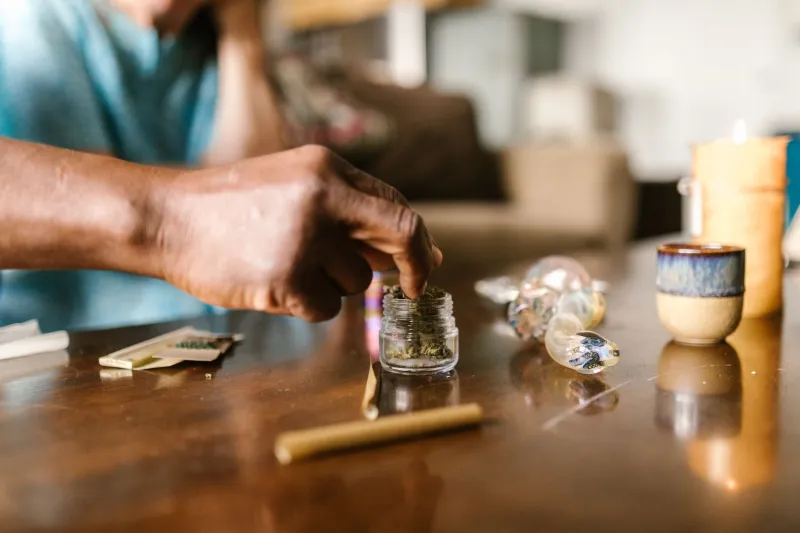
For hand-rollers, the seasoning conversation shifts a bit. Rolling papers themselves don't accumulate character the way a pipe does — you're using a fresh sheet every time. But the tools around the process can. A well-used rolling machine or a wooden rolling tray picks up oils and residue over time. Grinders, especially metal ones with textured chambers, develop a coating of kief and plant oils that some users argue actually improves the grind consistency and adds a subtle richness to freshly ground material.
Cigar smokers aren't entirely left out either. Humidors develop their own kind of seasoning — Spanish cedar lining absorbs and releases moisture and aroma over time, and a well-aged humidor is generally considered superior to a brand-new one for long-term storage and conditioning.
When to Keep Going and When to Walk Away
Here's the practical part. How do you know when your gear's history is an asset versus a liability?
Keep it if: The pipe smokes consistently cool and dry, delivers flavors that feel balanced and full, and has a cake that's roughly the thickness of a dime — thin, even, and well-managed. This is a pipe in its prime. Don't mess with it too much. Clean it gently between sessions, let it rest between smokes, and enjoy what years of use have built.
Reconsider if: You're getting persistent sourness, off-flavors that don't match your tobacco, or a gurgle that cleaning doesn't fix. These are signs that the pipe has absorbed more than it can productively offer back. A professional retort cleaning — where alcohol is pushed through the shank and stem — can sometimes reset a pipe. So can a careful reaming back to bare wood followed by a slow re-break-in process.
Retire it if: The bowl has cracked, the stem is damaged in a way that affects the draw, or no amount of cleaning restores a clean smoke. Some pipes reach the end of their useful life, and there's no shame in that. Display it, pass it on, or let it go. The best thing you can do for your collection is be honest about what's working.
The Takeaway
Seasoning is one of those topics that lives right at the edge of science and tradition, and honestly, that's part of what makes it interesting. The chemistry is real enough to take seriously. The subjective experience is real enough to trust. And the practical wisdom passed down through generations of pipe smokers — treat your gear well, give it time, pay attention to what it's telling you — holds up whether you're a skeptic or a true believer.
Your smoking device isn't just a delivery mechanism. It's a record of every bowl you've ever burned, every blend you've explored, every slow afternoon you've taken to actually sit with the experience. That history has weight. It has flavor. And if you're paying attention, you can taste it.