From Seed to Smoke: How Craft Tobacco Blenders Are Borrowing the Farm-to-Table Playbook
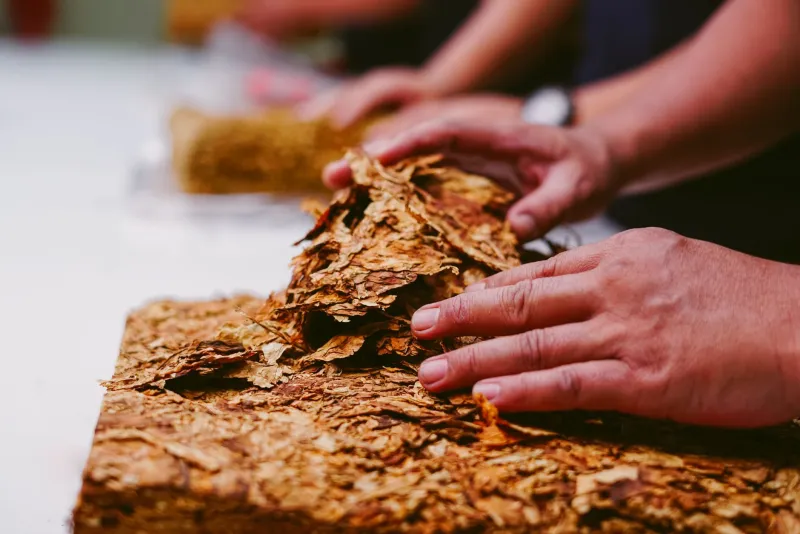
There's a conversation happening in small batch tobacco workshops across the country that sounds a lot like the ones you'd overhear at a Kentucky bourbon distillery or a Vermont farmhouse cheese operation. Blenders are talking about soil composition. They're calling up agricultural co-ops in Ecuador to ask about harvest timing. They're consulting with botanical specialists about how specific curing methods affect the final aromatic profile of a leaf. If that sounds more like something from a culinary school lecture than a smoke shop back room, that's kind of the point.
The premium tobacco world is quietly going through a sourcing revolution — and if you haven't noticed it yet on the shelf, you will soon.
The Craft Distiller Parallel Is More Than Just Marketing
When craft spirits exploded in the 2010s, the thing that separated the serious players from the gimmick brands wasn't just bottle design or a good story. It was genuine ingredient obsession. Small distillers started specifying not just the grain variety they used, but the farm, the growing season, even the weather patterns that affected yield. Consumers responded. They wanted to understand what they were tasting and why.
Tobacco blenders are now doing exactly that — and for the same reason. A growing segment of American smokers isn't satisfied with vague descriptors like "smooth" or "rich." They want to know if the Virginia leaf in their blend came from a sandy loam field in Staunton or a river-bottom plot in Wilson County. They want to understand why a particular Burley tastes different from one harvest to the next.
Blenders who are paying attention to that curiosity are sourcing accordingly.
Single-Origin Leaf: The Equivalent of a Vineyard Designation
For a long time, the tobacco industry operated on blending logic that prized consistency above all else. The goal was to make a product that tasted exactly the same every year, regardless of what was happening in the fields. That meant blending across multiple sources, multiple harvests, and multiple origins to average everything out.
Craft blenders are flipping that model. Instead of masking the character of a specific leaf, they're celebrating it. Single-origin tobacco — leaf sourced from one farm, one region, or even one specific field — is being positioned the way single-malt Scotch or single-vineyard wine has been for decades. The variation isn't a problem to solve. It's the whole point.
You're starting to see this show up in how products are labeled and marketed. Instead of a generic "Honduran filler," a premium blend might specify a particular growing region, a named farm cooperative, or even a specific varietal of tobacco plant. That's a meaningful shift in how the category communicates value.
Botanicals, Casings, and the Flavor Chemist in the Room
Sourcing great leaf is only part of the story. What blenders do with it — the casings, the toppings, the botanical additions — is where the culinary comparison really starts to get interesting.
Some of the more forward-thinking operations are working directly with flavor chemists and botanical suppliers to develop taste profiles with the same kind of precision a pastry chef might bring to a dessert menu. We're talking about sourcing specific types of dried fruit, wood-derived aromatics, and botanical extracts that are selected not just for their smell but for how they interact with heat and combustion over the course of a smoke.
This isn't the flavored tobacco of a decade ago, where "vanilla" meant a synthetic sweetener sprayed on cheap leaf. This is a much more considered approach — closer to how a craft cocktail bartender thinks about bitters and infusions than how a mass-market tobacco company has historically thought about flavorings.
Seasonal Releases and the Limited-Edition Model
One of the most visible signs of this shift is the rise of seasonal and limited-edition releases. Craft distillers and specialty coffee roasters have used this model for years to highlight the natural variation in their raw ingredients and to build genuine excitement among their customer base.
Tobacco blenders are catching on. A particular harvest year that produced exceptional leaf in a specific region becomes the basis for a limited run. A botanical ingredient that's only available at certain times of year shapes a seasonal blend. These aren't just marketing exercises — they reflect a real acknowledgment that agricultural products are inherently variable, and that variability can be a feature rather than a flaw.
For enthusiasts, this creates a collecting mentality that's very familiar from the wine and spirits world. You pick up a tin or a bag knowing it won't be exactly reproducible. That scarcity, when it's grounded in genuine agricultural reality rather than manufactured hype, drives real engagement.
Transparency as a Competitive Advantage
What ties all of this together is transparency. The farm-to-table movement succeeded in food and spirits partly because consumers got access to real information — where ingredients came from, how they were grown, who was involved in the process. That information created trust, and trust created loyalty.
Tobacco blenders who are leaning into this approach are finding that American smokers respond the same way. Knowing that the Perique in your blend came from a specific parish in Louisiana, or that the Oriental leaf was sourced through a direct relationship with a Turkish cooperative, changes the experience of smoking it. It gives you something to think about while you're enjoying it. It makes the whole ritual feel more intentional.
At High 5, we're watching these developments closely because they reflect something our customers have been telling us for years: they want to understand what they're buying, not just buy it. The blenders who are taking sourcing seriously are the ones building the kind of long-term customer relationships that actually matter in this business.
What This Means for Your Next Purchase
If you haven't started paying attention to sourcing language on premium tobacco packaging, now's a good time to start. Look for blends that specify leaf origins rather than just regional generalities. Pay attention to brands that talk about their relationships with growers or that release limited seasonal editions tied to actual harvest cycles.
Ask questions at the counter. A good smoke shop — and the people working in it — should be able to tell you something meaningful about where the tobacco in a premium product actually comes from. If the answer is just a shrug, that tells you something too.
The flavor profile revolution in tobacco isn't a fad. It's the same maturation process that happened in craft beer, artisan spirits, and specialty coffee. And if those categories are any guide, the enthusiasts who get in early — who start developing their palates and their sourcing literacy now — are going to have a serious head start on understanding why the best blends taste the way they do.