Cut Out the Middleman: Why Direct-to-Consumer Tobacco Brands Are Winning Over American Enthusiasts

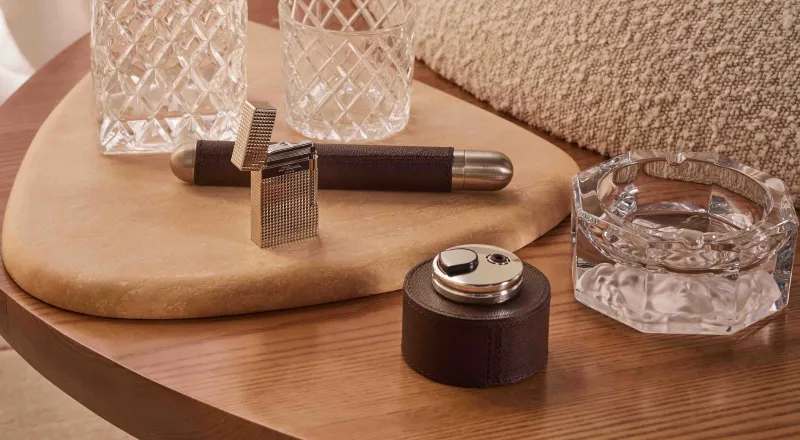
Photo by Photo by Canndid UK on Unsplash on Unsplash
The old way of getting premium tobacco and smoking gear into the hands of enthusiasts involved a lot of steps. A manufacturer produced something, a distributor picked it up, a regional wholesaler moved it along, and eventually a retailer priced it for the shelf. Each hand the product passed through added cost and, more importantly, added distance between the person who made it and the person who smoked it.
That model is getting disrupted, and honestly, it's about time.
The DTC Wave Hits the Smoke World
Direct-to-consumer — or DTC — isn't a new concept. It reshaped eyewear, mattresses, and men's grooming years ago. But the tobacco and smoking accessories space has its own version of this story, and it's been building quietly through online communities, small-batch releases, and brands that grew out of genuine enthusiasm rather than corporate strategy.
What makes this wave different from a standard e-commerce shift is the community dimension. Many of the independent American brands gaining traction right now started as passion projects — a pipe maker working out of a garage in Oregon, a cigar roller in Florida doing limited runs announced on Instagram, an accessories company in Brooklyn building handcrafted items for a niche audience that quickly turned into a loyal national customer base.
These aren't companies with massive marketing budgets. They're winning through authenticity, quality, and the kind of direct relationship with customers that larger brands structurally can't replicate.
What's Driving the Consumer Side of This Shift
American tobacco enthusiasts — especially younger ones who came up in the craft beer and artisan food era — have developed a strong preference for knowing the story behind what they buy. They want to know who made it, where the materials came from, and why certain decisions were made. A faceless brand with a generic label just doesn't hit the same way as a product from someone who can answer your email personally.
Limited releases play a huge role here, too. When a small blender or pipe maker announces a run of 200 units and they're gone in a few hours, that creates a genuine excitement and sense of participation that mass-market products simply can't manufacture. The scarcity isn't artificial — it's a natural byproduct of small-batch production, and enthusiasts respond to it accordingly.
There's also a value equation that often works in DTC's favor. By cutting out distribution layers, smaller brands can sometimes offer genuinely premium products at prices that undercut comparable retail offerings, while still maintaining healthier margins than they'd see through traditional wholesale. The customer wins, and so does the producer.
Success Stories Worth Knowing
A few names have broken through from the DTC underground into wider recognition, and they're instructive examples of how this can work.
In the pipe tobacco world, several small American blenders have built dedicated followings through platforms like their own websites and tobacco-focused forums, releasing seasonal blends with limited availability and detailed production notes that read more like a craft brewery's release announcements than traditional tobacco marketing. Their customers don't just buy the product — they follow the journey.
On the accessories side, independent American pipe makers have found robust markets online, with hand-turned pieces selling for hundreds of dollars directly to collectors who found them through YouTube videos, Reddit communities, or word of mouth. Some of these craftspeople have waiting lists measured in months.
Cigar operations, particularly boutique rollers working with small-farm Nicaraguan, Honduran, or Dominican leaf, have used direct subscription models and limited club memberships to build sustainable businesses without ever needing a traditional retail footprint.
How to Shop Smart in the DTC Space
The growth of this market is exciting, but it also comes with some things worth watching. Here's how to navigate it without getting burned.
Look for transparency. Good DTC brands tell you where their materials come from, how their products are made, and who's behind the operation. If a brand's "About" page is a paragraph of vague marketing language with no real information, that's a flag.
Check the community pulse. The tobacco and smoking accessories enthusiast community is tight-knit and vocal. Pipe forums, cigar subreddits, and Facebook groups for rolling and accessories are full of honest reviews and firsthand experiences. Before dropping real money on an unknown brand, spend twenty minutes seeing what people are saying.
Understand the return and freshness policies. Tobacco especially needs to arrive in good condition. Reputable DTC sellers are clear about how they pack and ship, what their humidity control looks like during transit, and what happens if something arrives in bad shape.
Start small. Most DTC tobacco brands offer samplers or smaller quantities specifically so you can try before committing to a larger purchase. Take advantage of that. Even if the reviews are glowing, your palate is your palate.
Ask about age and production date. One advantage of buying direct is that you can actually ask these questions and get a real answer. A blender who's proud of their product will happily tell you when a batch was made and how long it's been aging.
Where Traditional Retail Fits Into All of This
None of this means your local smoke shop is becoming irrelevant — and it definitely doesn't mean High 5 is going anywhere. The best shops in the DTC era are actually getting better at curation, stocking the kinds of independent and small-batch products that enthusiasts are hunting for online and making them available locally with the added benefit of a knowledgeable staff that can walk you through what you're looking at.
The relationship between good retail and the DTC movement isn't adversarial — it's complementary. The same customer who buys a limited-release pipe tobacco direct from the blender is also the customer who walks into a premium shop looking for the accessories, tools, and expertise to get the most out of it.
The market is getting more interesting, more diverse, and more creator-driven than it's been in a long time. Whether you're buying direct or shopping in person, the range of what's available to American enthusiasts right now is genuinely something to get excited about.